What separates an average mid-century home from a truly great one? From thoughtful floor plans to original architectural details, learn how to recognize the qualities that make these homes timeless.
After walking through hundreds of mid-century homes in Phoenix and Scottsdale, I’ve learned that the best ones aren’t defined by their age or by how original they are. They’re defined by the quality of the ideas behind them, and those ideas are just as relevant today as they were sixty years ago. Some have been beautifully preserved, while others have been remodeled several times over the decades. Some still have original kitchens and bathrooms, while others have almost nothing left from the day they were built.
What separates the memorable homes from the forgettable ones isn’t whether they’re completely original. It’s whether they still feel like the architect’s vision survived.
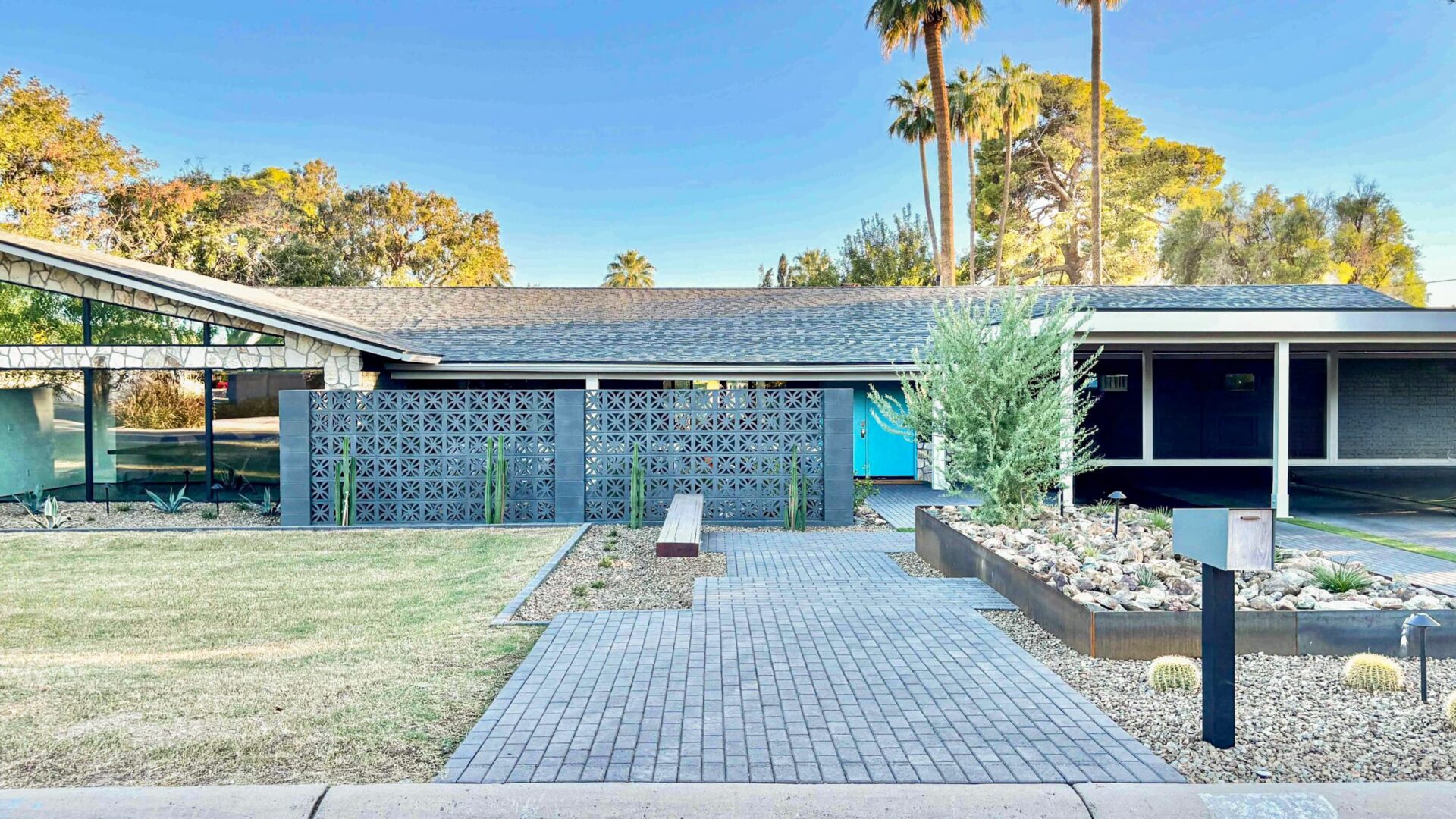
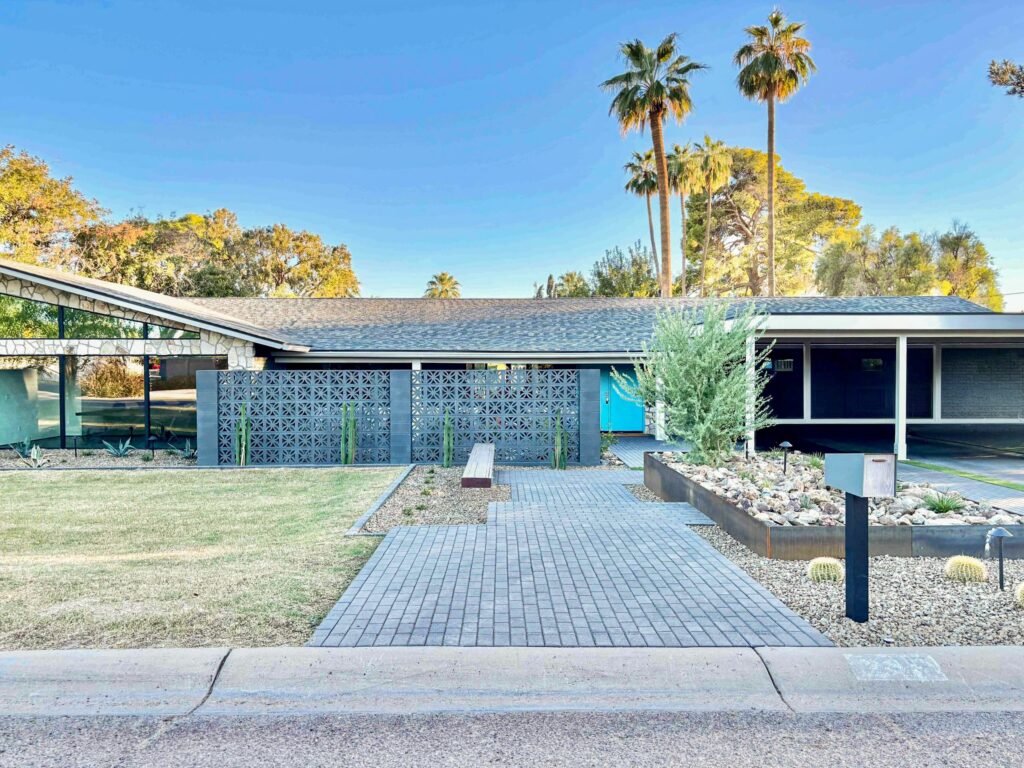
People often assume that because I specialize in mid-century homes, I’m looking first at original cabinets, vintage light fixtures, or terrazzo floors. Those details certainly matter, but they’re rarely the first things I notice. Whether I’m walking through a Ralph Haver home, an Al Beadle design, or another thoughtfully designed mid-century property, I’m looking for the same qualities. Before I even step through the front door, I’m already paying attention to the proportions of the house, the roofline, the relationship between the home and the lot, and whether the landscaping works with the architecture or distracts from it. Those decisions were made long before someone chose paint colors or countertops, and they’re usually what determine whether a home still feels cohesive today.
Learning to Read a House
Most buyers naturally focus on finishes. They notice whether the kitchen has been updated, what type of countertops were installed, or if the bathrooms feel current. Those are important considerations, but they’re also some of the easiest things to change. Architecture is much more permanent.
When I arrive at a home, I’m looking for the decisions that can’t easily be replaced. Is the roofline balanced? Are the windows proportioned correctly? Does the front elevation feel restrained instead of trying too hard to impress? Many of Phoenix’s best mid-century homes don’t reveal much from the street. The entry is often tucked away, landscaping softens the approach, and the architecture unfolds gradually as you move through the property. That wasn’t accidental.
These homes weren’t designed to impress someone driving by at 35 miles per hour. They were designed for the people living inside them every day. Once you begin looking at houses that way, it’s difficult to see them the same way again.
Why Floor Plans Matter More Than Finishes
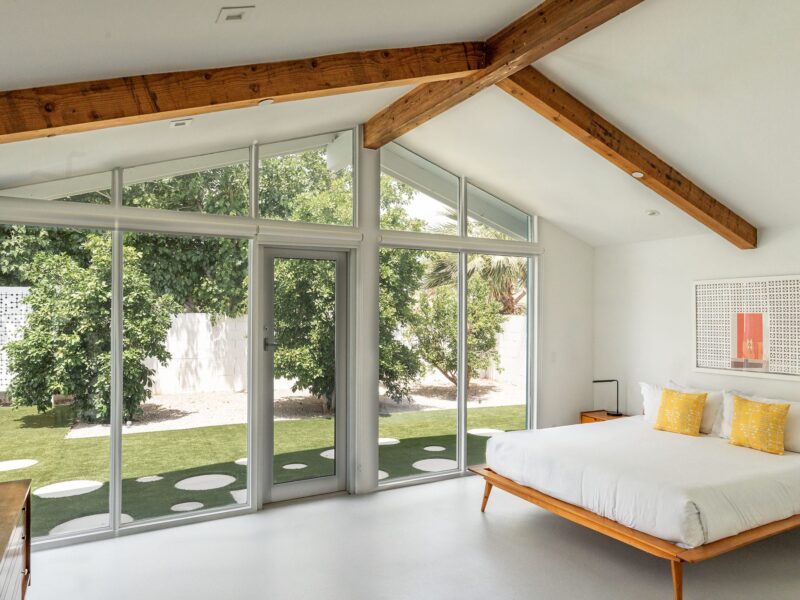
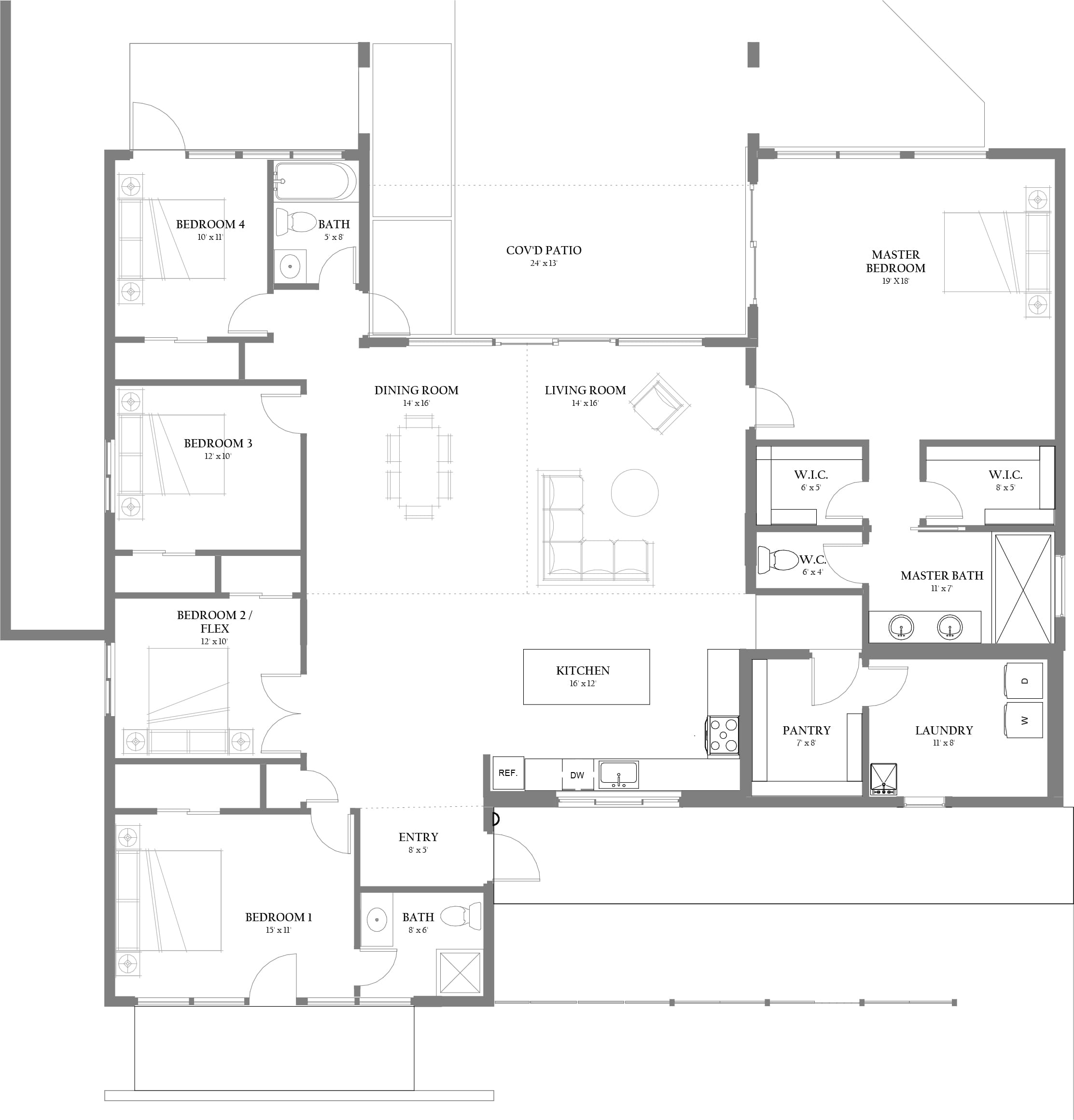
One of the comments I hear most often is that a mid-century home feels larger than its actual square footage. Buyers usually credit the walls of glass or the vaulted ceilings, but those features only tell part of the story. The real reason is planning.
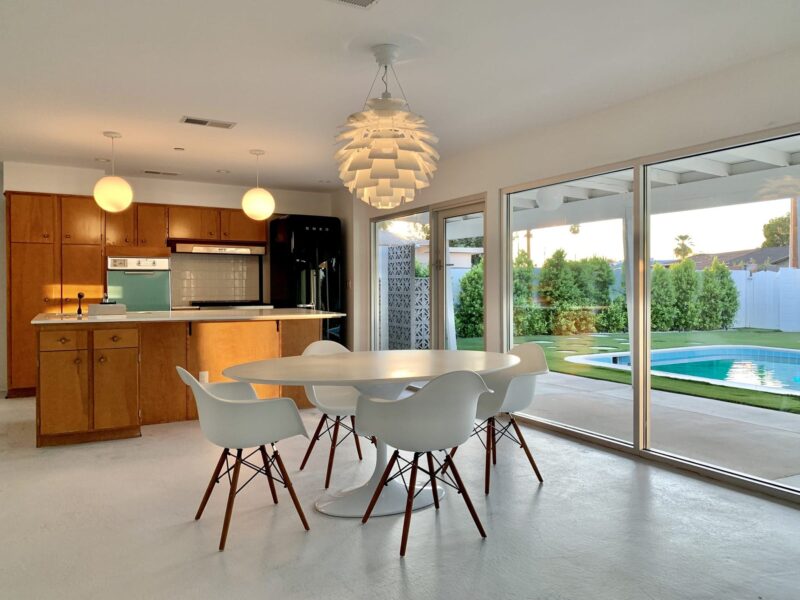
The architects designing these homes weren’t trying to maximize square footage. They were trying to make every square foot count. Hallways were minimized, rooms flowed naturally into one another, and outdoor spaces became extensions of the interior instead of feeling like separate areas. Every room served a purpose.
That’s why a thoughtfully designed 1,700-square-foot home can often feel more comfortable than a much larger contemporary house.
Whenever I study an original floor plan, I’m reminded that good architecture begins long before finishes are selected. Cabinets can be replaced, flooring can change, and paint colors come and go. A great floor plan continues to work regardless of what style is popular at the moment.
The Arizona Climate Shaped These Homes
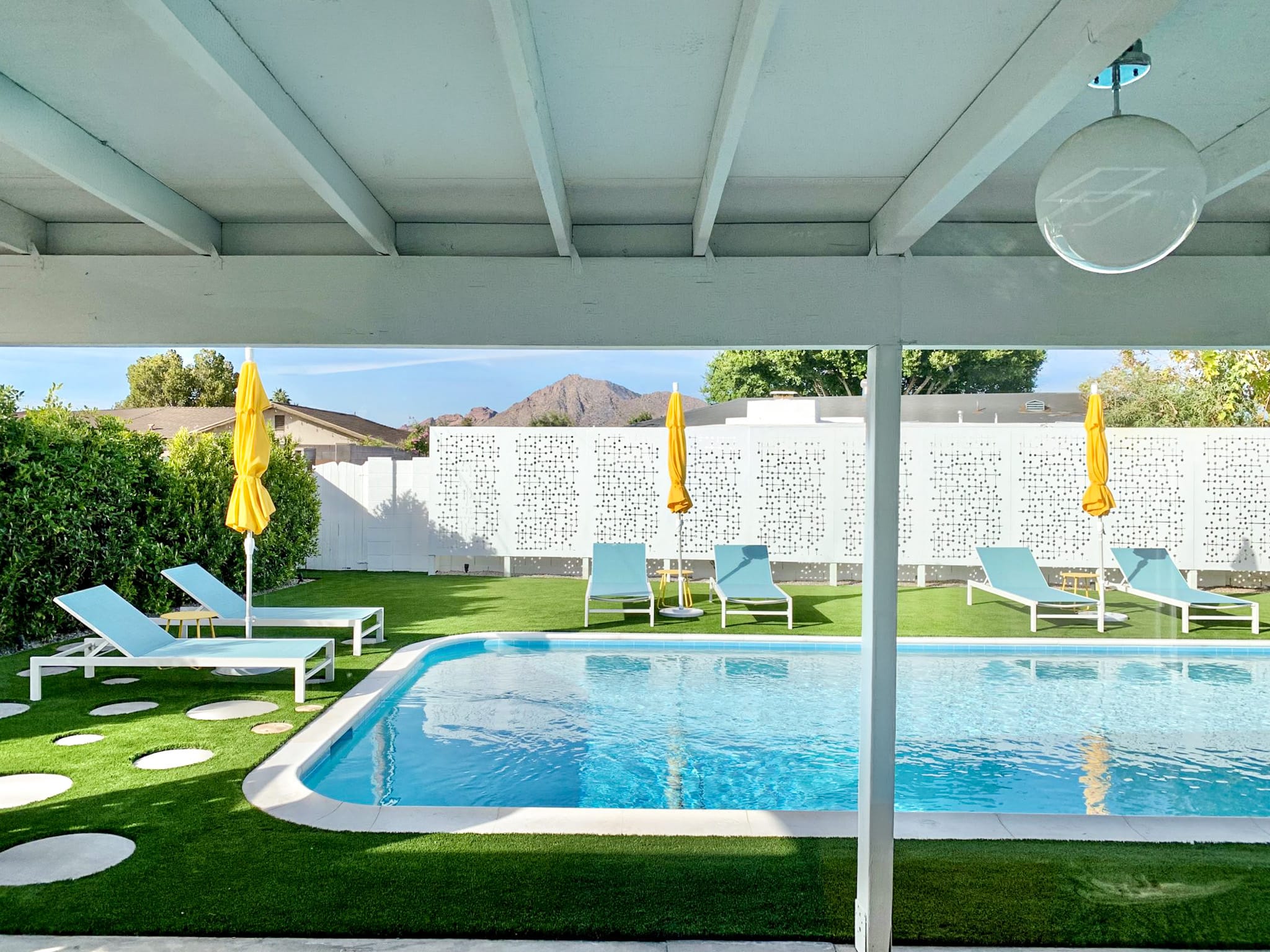
Mid-century architecture in Phoenix developed differently than it did in other parts of the country because the desert demanded different solutions. Architects weren’t simply designing attractive homes, they were responding to the desert. They were responding to intense summer heat, bright sunlight, mountain views, and a lifestyle centered around outdoor living.
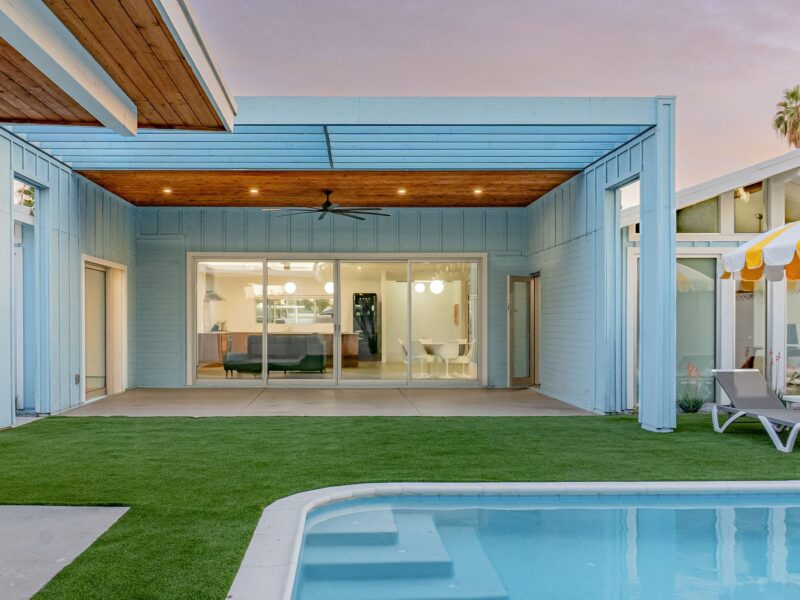
Deep roof overhangs helped shade glass from the afternoon sun. Clerestory windows brought daylight into the home while maintaining privacy. Covered patios became outdoor living rooms, and landscaping was used to create comfortable spaces throughout the year.
Many people think of indoor-outdoor living as a modern design trend, but these architects were solving that problem more than half a century ago. It’s one of the reasons their work still feels remarkably current today.
Phoenix is home to dozens of neighborhoods where these ideas can still be experienced today. If you’re interested in exploring them, our Mid-Century Phoenix Map is a great place to start discovering the Valley’s most significant collections of mid-century homes.
A Good Renovation Doesn’t Start With Demolition
One of the biggest misconceptions about renovating a mid-century home is that everything old should automatically be replaced. In reality, some of the most successful renovations I’ve seen began with exactly the opposite approach.
Instead of asking what should be removed, they asked what was worth preserving.
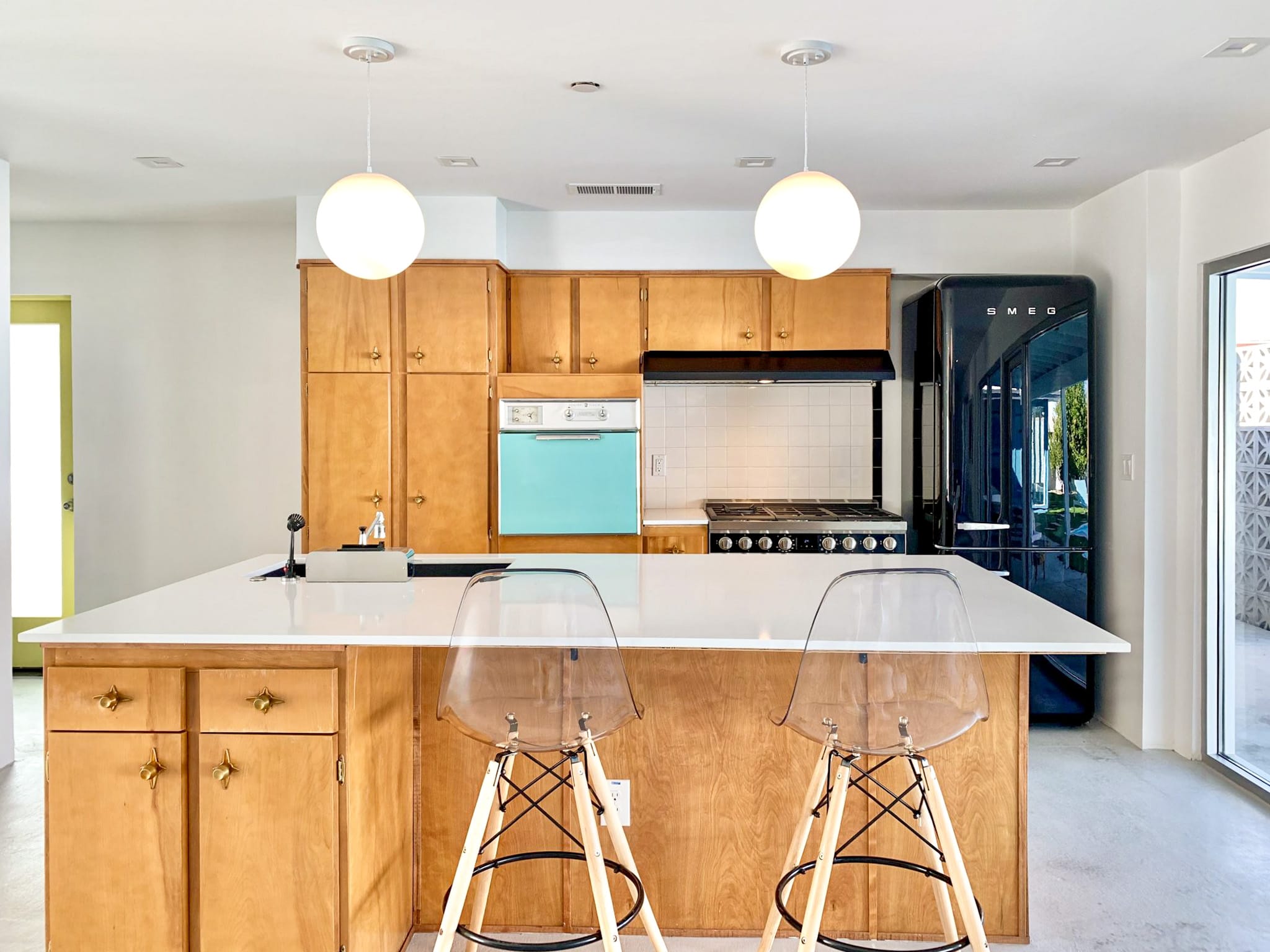
Original cabinetry, hardware, doors, mirrors, breeze block, and even vintage appliances often contribute more to the character of a home than people realize. That doesn’t mean every original feature should remain forever, but it does mean each one deserves consideration before it’s discarded.
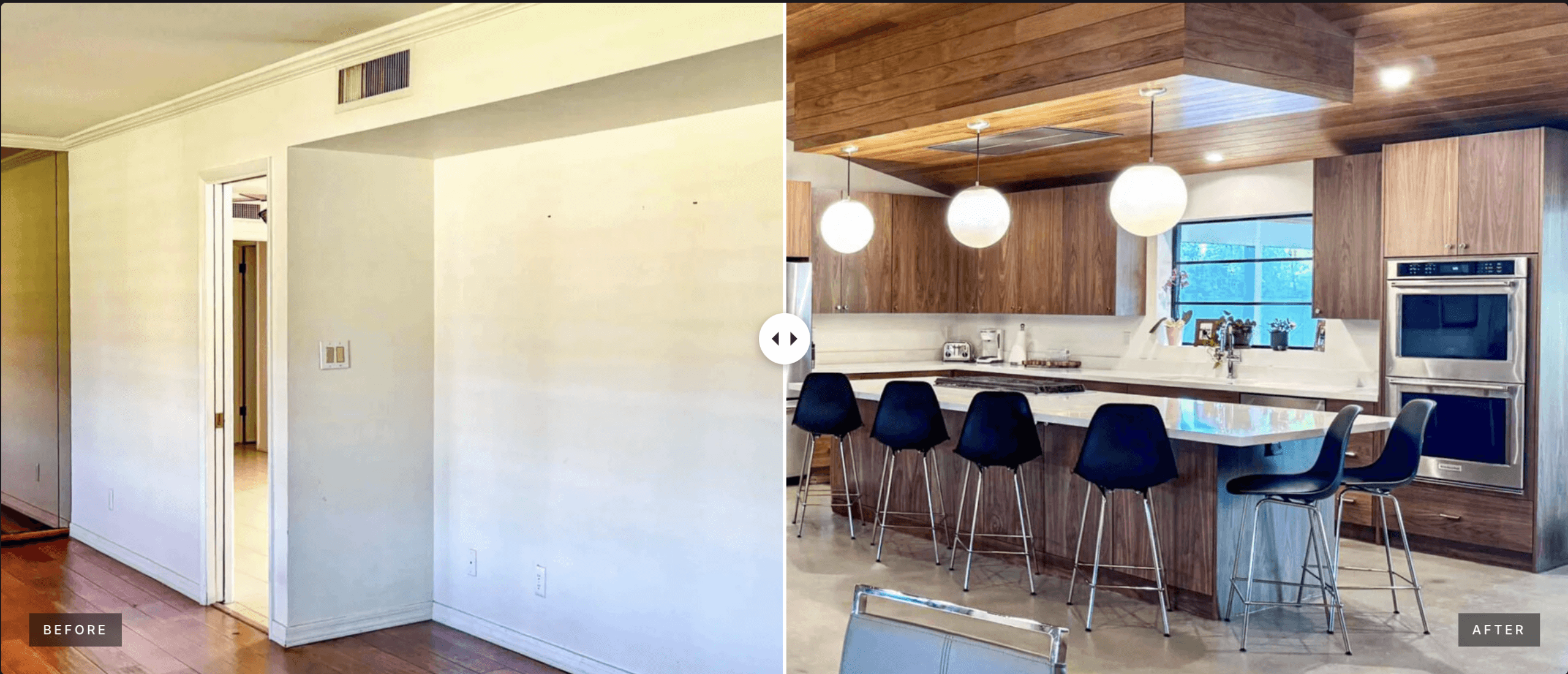
The best renovations respect the architecture while making the home work better for today’s lifestyle. They’re not trying to recreate 1962, nor are they trying to erase it. They recognize that architecture should evolve, but it should evolve thoughtfully. That’s the same philosophy behind our Design & Renovation process. Every project begins by understanding what makes the original architecture successful before deciding what should change.
Preservation Is About Understanding
People sometimes assume preservation means freezing a house in time. I don’t see it that way.
Modernism has always embraced new ideas, new materials, and better ways of living. What shouldn’t change is the thinking behind the architecture. A successful renovation understands why the house worked in the first place and builds on those strengths instead of covering them up.
I’ve walked through homes where hundreds of thousands of dollars were spent, yet the renovation somehow made the architecture less interesting. I’ve also seen modest projects with limited budgets that dramatically improved a house because the owners understood what made it special before they started making changes. Money rarely determines the outcome. Understanding does.
Learning to See Architecture Differently
The more mid-century homes I visit, the less interested I become in whether a house is completely original. What matters to me is whether it still feels authentic.
Does the layout still work? Does natural light move through the home the way the architect intended? Do additions feel integrated instead of obvious? Has the renovation strengthened the architecture or simply updated the finishes?
Those are the questions I encourage buyers to ask because they’re the qualities that continue to matter long after a new countertop or fresh paint has lost its appeal.
The best mid-century homes aren’t timeless because they’re old. They’re timeless because the ideas behind them continue to improve the way people live. That’s what makes them worth preserving, and it’s the reason so many of these homes still feel just as relevant today as they did when they were first built.
Five Things I Look For in Every Mid-Century Home
Before getting distracted by finishes, I always come back to these questions:
- Does the home still feel true to the architect’s original intent?
- Does the floor plan make everyday living feel effortless?
- Have renovations strengthened the architecture or competed with it?
- Are original materials and details preserved where they still add value?
- Does the home create a meaningful connection between the interior and the outdoors?
The answers to those questions usually tell me far more about a home than its age, square footage, or how recently it was remodeled. They’re the qualities that continue to matter long after design trends have changed, and they’re the reason the best mid-century homes remain as relevant today as they were sixty years ago.
If you’re searching for a mid-century home or planning a renovation, learning to recognize these qualities will help you make better decisions long before you start thinking about finishes.