Scottsdale has always had more architectural range than people give it credit for.
Beyond the resort homes, golf communities, and luxury new builds, there is a deeper story: mid-century neighborhoods, desert modern homes, custom postwar houses, and architectural details that still feel sharp decades later.
Buying or selling one of these homes takes more than standard real estate service.
It takes an understanding of the architecture.
Not every Scottsdale home should be evaluated the same way
A standard real estate approach usually starts with square footage, bedroom count, recent sales, and price per foot. Those things matter, but they do not tell the whole story with a mid-century modern home.
The design can change the value.
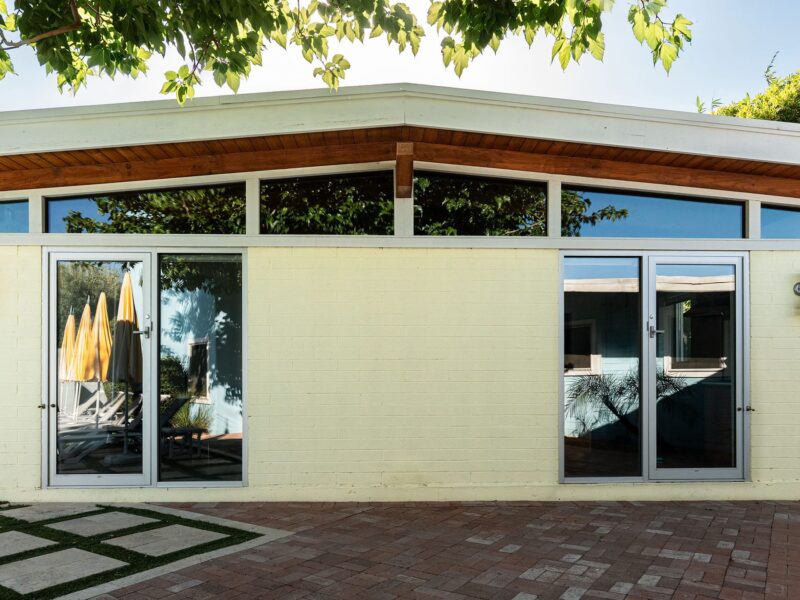
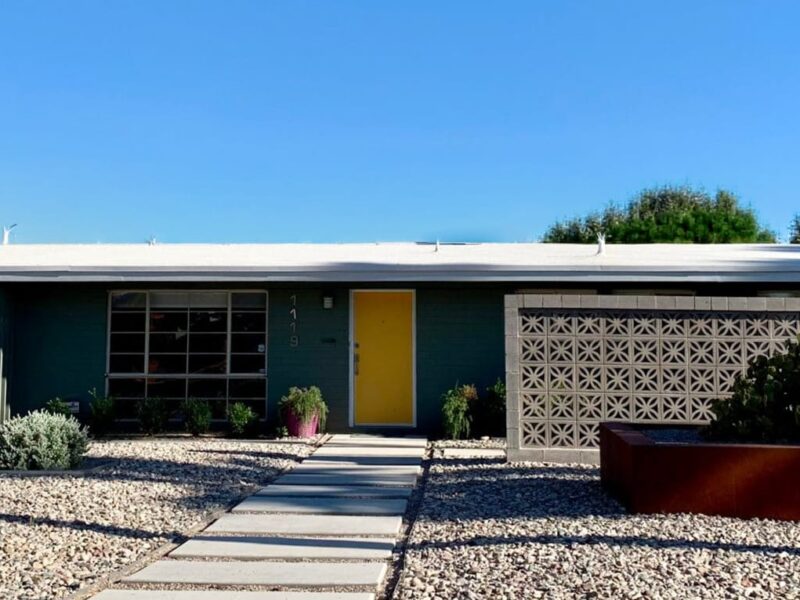
A low roofline, clerestory windows, breeze block, original masonry, exposed beams, indoor-outdoor flow, carport orientation, courtyard layout, or period-correct renovation can make one home far more compelling than another house with similar numbers on paper.
That difference needs to be recognized.
Buyers need help seeing the real potential
A good mid-century home is not always the one with the newest finishes.
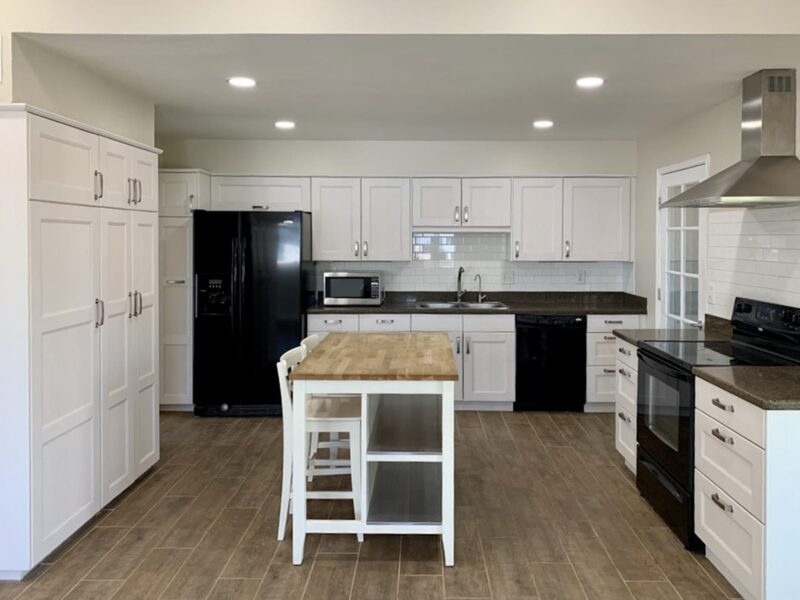
Sometimes the best house is the one with original character, a strong floor plan, better light, and the right bones. Other times, a home may look stylish online but have expensive issues, awkward updates, or a renovation that works against the architecture.
A Scottsdale mid-century modern real estate agent should be able to look past the surface.
What can be restored? What should be left alone? What would a smart renovation cost? Which design choices will protect value, and which ones will erase it?
That judgment can make the difference between buying the right home and buying a project that never quite works.
Sellers need better positioning
A mid-century modern home should not be marketed like a generic Scottsdale property.
The buyer is often looking for design, character, and a specific way of living. They care about the roofline, the patio, the pool, the light, the original details, and the feeling of the home.
The marketing should reflect that.
Strong photography, thoughtful copy, architectural context, and the right launch strategy can help buyers understand why the home matters. Generic marketing can flatten a special property and make it feel ordinary.
Neighborhood knowledge matters
Scottsdale has pockets of architectural interest that are easy to miss if you are only looking at listings.
South Scottsdale, Hy-View, Village Grove, Town & Country Scottsdale, and other mid-century neighborhoods each have their own rhythm, value drivers, and renovation patterns. Some areas are more preserved. Some have more remodel activity. Some have homes with stronger architectural bones but need the right buyer to see the opportunity.
Knowing the neighborhood matters because the home is only part of the story.
The surrounding context, lot, orientation, street presence, renovation quality, and buyer demand all shape value.
Design strategy is part of the transaction
For mid-century homes, real estate and design are connected.
Before buying, a client may need to understand what a renovation could realistically become. Before selling, a client may need to know what to repair, what to leave alone, and what not to waste money on.
That is where design judgment becomes practical.
The right advice can save money, avoid bad decisions, and help the home reach its strongest position in the market.
The bottom line
A Scottsdale mid-century modern home deserves more than a standard real estate process.
It needs someone who understands the market, but also understands the architecture, the buyer, the renovation potential, and the value of design.
That is where Mid Mod Phoenix is different.
The goal is not just to help clients buy or sell a house. The goal is to make better decisions around homes with architectural value.