A mid-century modern home can be updated without being erased. A generic remodel can make an architectural home feel like any other house.
That sounds simple, but it is where many renovations go wrong. Too many homes come to market with every meaningful design element stripped away, painted over, replaced, or buried under trend-driven finishes. The listing still says “mid-century modern,” but the house no longer has the character, restraint, or architectural clarity that made it special in the first place.
Modernism was never meant to be frozen in time. These homes can and should evolve. Systems need updating. Kitchens and bathrooms need to work. Floor plans sometimes need refinement. Materials wear out. Life changes.
But there is a difference between improving a home and flattening it.
The mistake is treating style as a costume
A mid-century renovation is not about adding black windows, a pivot door, trendy tile, oversized pendants, waterfall counters, and a few pieces of walnut furniture.
That is not preservation. That is styling.
The best mid-century homes have a deeper language: proportion, roofline, light, material honesty, indoor-outdoor connection, and restraint. If those things are ignored, the renovation may look new, but it will not feel right.
Generic luxury can destroy a good house
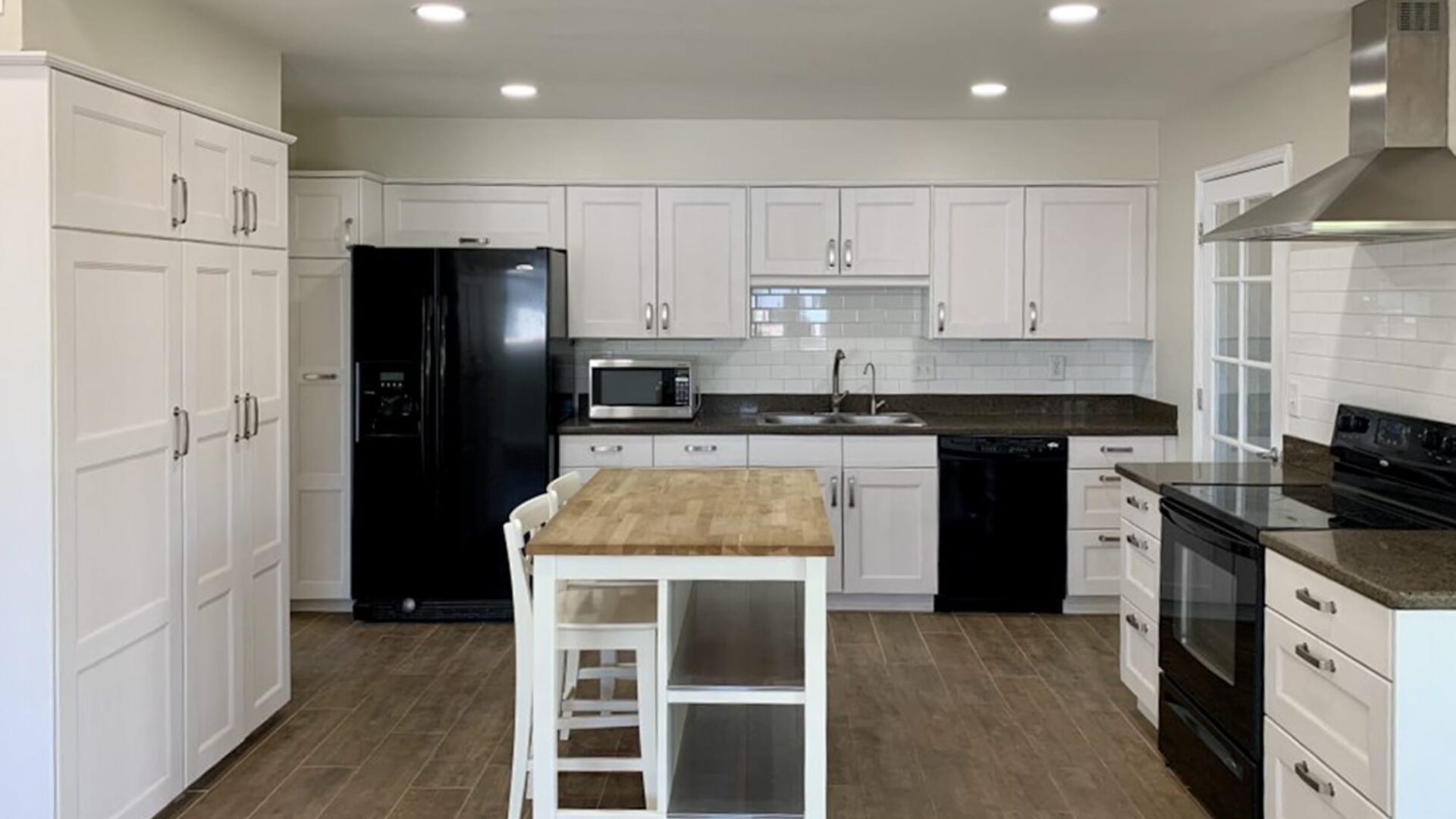
One of the most common mistakes is turning a mid-century home into the same generic luxury remodel seen everywhere else.
Heavy cabinets. Thick counters. Busy tile. Random accent walls. Barn doors. Over-scaled fixtures. Trendy millwork. Black-framed everything. A palette pulled from a showroom instead of the architecture.
Some of it may photograph well. Some of it may sell. But that does not make it good.
A mid-century home does not need to be made louder to be valuable. In most cases, it needs to be edited, clarified, and respected.
Original details matter
Not every original feature should stay, but every original feature should be considered before it is removed.
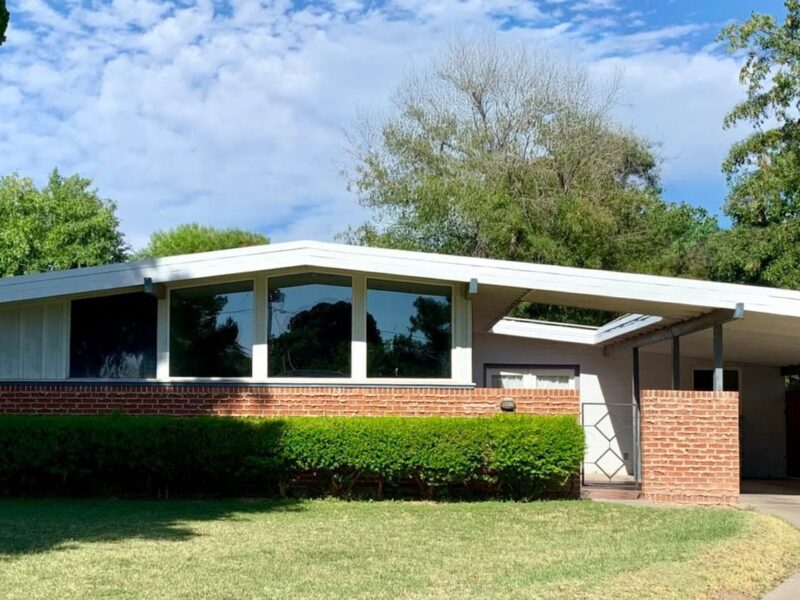
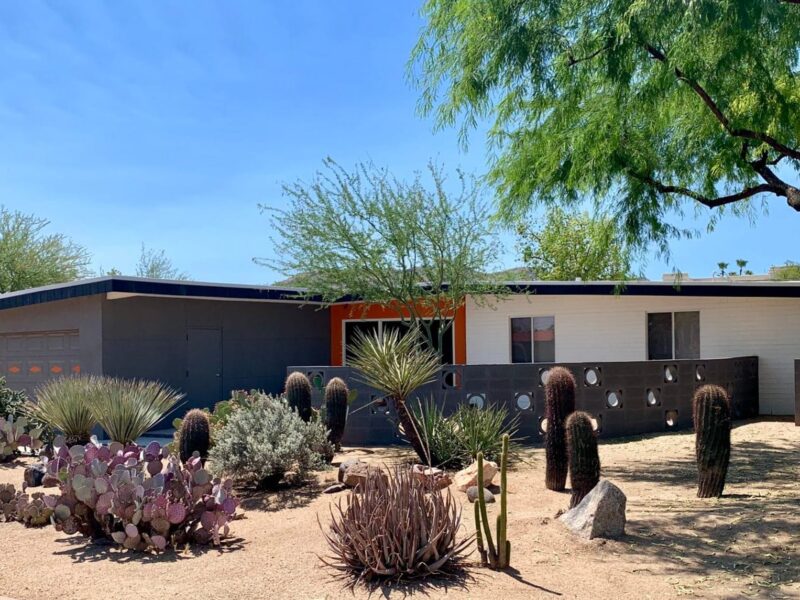
Block walls, clerestory windows, terrazzo floors, carports, breeze block, wood ceilings, masonry fireplaces, exposed beams, original built-ins, patio connections, and window proportions all contribute to the identity of the home.
Once those elements are gone, they are hard to get back.
The goal is not to preserve everything blindly. The goal is to understand what gives the home its character, then make decisions that strengthen it.
Restraint is the difference
Good mid-century renovation requires restraint.
That does not mean boring. It means disciplined. It means knowing when to simplify, when to restore, when to introduce something new, and when to leave the house alone.
The strongest projects often come from fewer moves done better.
A clean floor plan. Better light. Correct materials. Thoughtful cabinetry. Period-sensitive lighting. Landscape that supports the architecture. A pool or patio that feels integrated instead of added later.
That is where the magic happens.
Marketing should match reality
The frustrating part is how often poorly renovated homes are marketed as if they were carefully preserved.
The description talks about honoring the original architecture. Then the photos show a house that has been stripped of everything that made it architecturally interesting.
Buyers deserve better than that. So do the homes.
If a renovation preserves character, the architecture should prove it. You should be able to see it in the roofline, the window rhythm, the material choices, the floor plan, and the way the home connects to the outdoors.
The bottom line
A mid-century modern renovation should make the home live better without making it generic.
The balance is simple but difficult: update what needs to work, preserve what gives the home its soul, and make every new decision feel like it belongs.
That is the difference between a remodel and a renovation with taste.