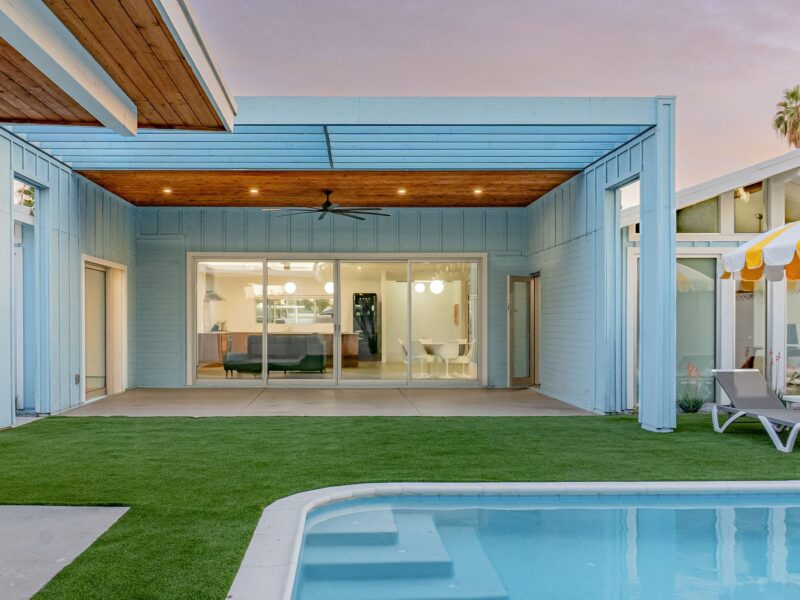
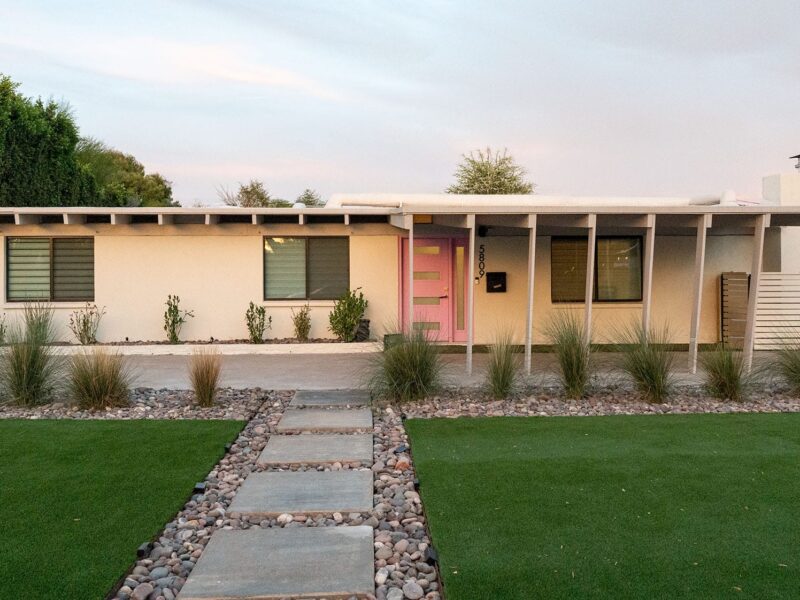
Ralph Haver homes in Phoenix have a way of making a lasting first impression. Walk through the front door of a well-preserved Ralph Haver home and something feels different.
Natural light pours in from unexpected angles. The ceiling seems to float overhead. The rooms connect effortlessly to the outdoors. There is a sense of calm and proportion that is difficult to describe but immediately recognizable.
More than seventy years after many of these homes were built, Ralph Haver’s architecture continues to attract buyers who appreciate thoughtful design over excess. His work helped shape the character of postwar Phoenix, proving that exceptional architecture wasn’t reserved for custom estates. It could be part of everyday life.
Today, Haver homes remain some of the Valley’s most sought-after mid-century properties, not simply because they are old, but because they were designed with a level of intention that still feels remarkably current.
Who Was Ralph Haver?
Ralph Haver was one of the architects most responsible for bringing modern residential architecture to Phoenix during the city’s period of rapid growth in the 1950s and 1960s. Rather than designing only one-of-a-kind luxury homes, Haver focused on creating neighborhoods filled with architect-designed houses that embraced the Arizona climate and a modern way of living.
His work emphasized simplicity, livability, and a strong relationship between architecture and landscape. Instead of relying on ornament, Haver’s homes used clean geometry, natural materials, generous windows, and carefully considered proportions to create spaces that felt open, bright, and connected to the outdoors.
Thousands of families experienced modern architecture through Ralph Haver’s work, and many of those homes remain some of the best examples of Arizona’s mid-century residential design.
Architecture Designed for the Desert
One of the reasons Haver homes continue to feel relevant is that they were never designed to follow trends. They were designed to respond to the environment.
Long roof overhangs help shade windows from the desert sun. Clerestory windows introduce natural light while maintaining privacy. Carports become integrated architectural elements rather than afterthoughts. Large expanses of glass blur the line between indoor and outdoor living, allowing patios and gardens to become extensions of the home itself.
These ideas have become common in today’s residential design, but Ralph Haver was exploring them decades ago.
The result is architecture that feels timeless rather than nostalgic.
The Hallmarks of a Ralph Haver Home
While every neighborhood and floor plan is different, many Haver homes share characteristics that make them immediately recognizable.
Some of the most common features include:
Low-pitched rooflines with clean horizontal forms
Clerestory windows that fill interiors with soft natural light
Walls of glass overlooking patios and private backyards
Exposed beams and tongue-and-groove ceilings in many models
Integrated carports that complement the architecture
Concrete block construction or combinations of block and frame
Open living spaces that encourage indoor-outdoor living
Simple, honest materials used with restraint
What makes these homes special isn’t any single feature. It’s how all of these elements work together to create spaces that feel balanced, comfortable, and uniquely suited to the desert.
More Than Just a House
Buying a Ralph Haver home is often about more than purchasing real estate.
For many homeowners, it’s about becoming a steward of an important piece of Phoenix’s architectural history.
That doesn’t mean every home should become a museum. Kitchens can be updated. Bathrooms can be modernized. Living spaces can evolve to support today’s lifestyles.
The goal is to understand what makes the original architecture successful before making changes.
The best renovations respect the home’s proportions, preserve its defining features, and improve the way it functions without erasing the character that made it special in the first place.
Where You’ll Find Ralph Haver Homes
Ralph Haver’s influence can still be seen throughout Phoenix and Scottsdale.
Neighborhoods such as Northwood Manor, Town & Country Scottsdale, Town & Country Paradise, Marlen Grove, Windemere, Janet Manor, and Mayfair Manor continue to showcase his work and remain highly desirable among buyers who appreciate authentic mid-century architecture.
Each neighborhood has its own personality, floor plans, and architectural details, but they all reflect the same commitment to thoughtful residential design.
Exploring these neighborhoods offers a glimpse into how Haver helped shape the identity of modern Phoenix.
What Buyers Should Look For
No two Haver homes are exactly alike, especially after decades of ownership and renovation.
Some have been beautifully restored. Others have undergone renovations that removed many of the original architectural details.
When evaluating a home, it’s worth paying close attention to features such as original rooflines, clerestory windows, tongue-and-groove ceilings, masonry details, additions, window replacements, and the overall quality of previous renovations.
Homes that retain their architectural integrity often provide both a stronger living experience and greater long-term appeal.
Why These Homes Continue to Appreciate
Architecturally significant homes occupy a unique place in the market.
While trends come and go, homes with authentic design tend to attract buyers who value craftsmanship, originality, and thoughtful planning. As appreciation for mid-century modern architecture continues to grow, Ralph Haver homes remain some of the most desirable residential properties in Phoenix.
Their appeal extends beyond aesthetics. They represent a period when neighborhoods were planned with care, homes were designed specifically for the climate, and architecture was considered an essential part of everyday life.
That combination has become increasingly difficult to replicate.
Preserving an Architectural Legacy
Phoenix has one of the country’s richest collections of mid-century residential architecture, and Ralph Haver played a significant role in creating it.
Every thoughtful restoration helps preserve that legacy for future generations. Every well-designed renovation demonstrates that these homes can continue serving modern families without losing the qualities that make them exceptional.
Great architecture doesn’t have to stand still.
It simply deserves to be understood before it’s changed.
Frequently Asked Questions
Who was Ralph Haver?
Ralph Haver was a prominent Phoenix architect whose residential designs helped define Arizona’s mid-century modern movement during the 1950s and 1960s. His work emphasized clean lines, functional floor plans, and architecture designed specifically for the desert climate.
What makes a Ralph Haver home unique?
Ralph Haver homes are known for their low-pitched rooflines, clerestory windows, indoor-outdoor living, exposed beams, tongue-and-groove ceilings, integrated carports, and thoughtful use of natural light. Their proportions and connection to the landscape set them apart from conventional homes of the era.
Where are Ralph Haver homes located?
Many of Ralph Haver’s neighborhoods can be found throughout Phoenix and Scottsdale, including Northwood Manor, Town & Country Scottsdale, Town & Country Paradise, Marlen Grove, Windemere, Janet Manor, and Mayfair Manor.
Are Ralph Haver homes a good investment?
Homes with strong architectural significance often attract buyers who value original design and quality construction. Individual values depend on location, condition, renovations, and market conditions, but well-maintained Haver homes continue to be highly sought after.
Can a Ralph Haver home be renovated?
Absolutely. Many have been successfully updated for modern living. The most successful renovations preserve the home’s defining architectural features while improving functionality, comfort, and energy efficiency.
How can I tell if a home was designed by Ralph Haver?
Original records, neighborhood history, architectural characteristics, and historic documentation can often help identify a Ralph Haver home. Working with someone familiar with Phoenix’s mid-century neighborhoods can also help verify a home’s architectural pedigree.
Discover More of Phoenix’s Mid-Century Architecture
Whether you’re considering buying, selling, restoring, or simply learning more about mid-century modern homes, understanding the architecture behind them is the first step toward appreciating what makes these properties so special.
At Mid Mod Phoenix, architecture comes first. Every home has a story, and preserving that story is just as important as helping clients find the right place to call home.