Mid-century modern renovation and construction require more than a contractor.
The best projects start with a clear design strategy before anyone starts ordering materials, opening walls, or pricing work. Without that direction, a project can get expensive quickly. Decisions become reactive. Contractors make assumptions. Finishes get selected out of order. The original architecture gets diluted one small choice at a time.
That is how good houses become average.
A mid-century modern home needs a different kind of process. The goal is not just to make it new. The goal is to make it better without losing what made it worth saving in the first place.
Start with the architecture
Every good project begins with understanding the house.
What is original? What has been changed? What still works? What is fighting the architecture? Where does the light come from? How does the home connect to the patio, pool, yard, or view? Which walls matter? Which materials are worth preserving?
Those questions should come before construction pricing.
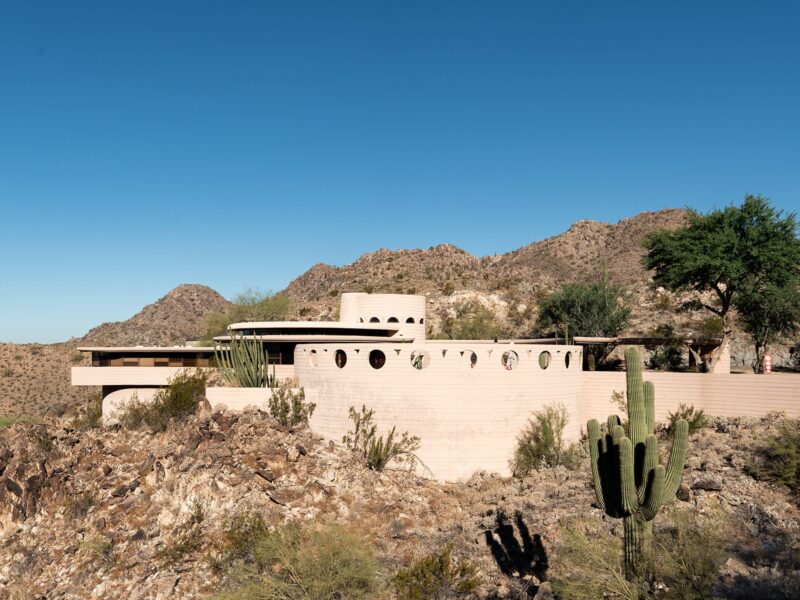
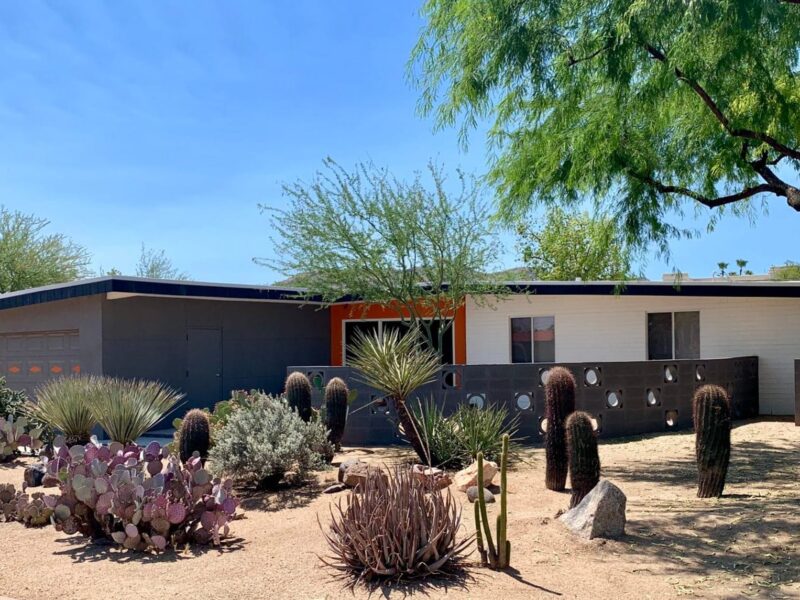
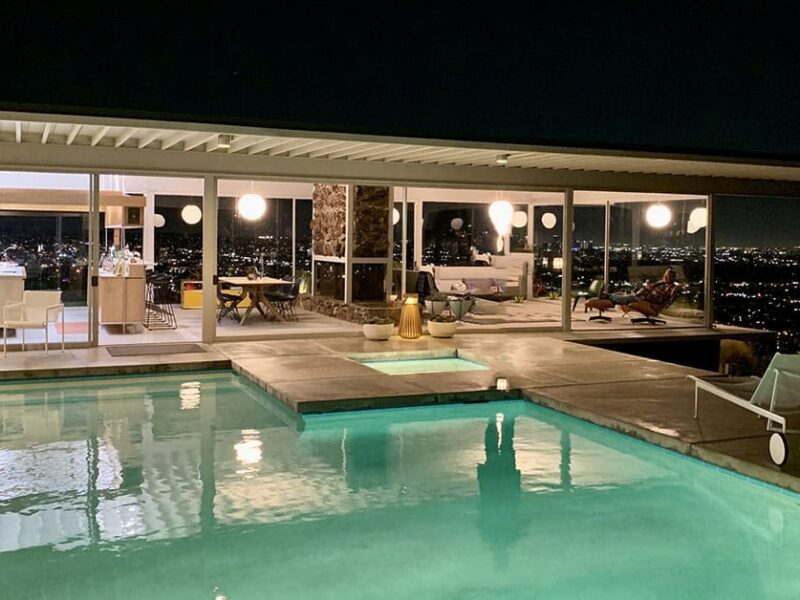
Mid-century homes are often simple, but they are not careless. Rooflines, proportions, window placement, masonry, carports, courtyards, and indoor-outdoor connections all matter. A renovation that ignores those elements can erase the character of the home.
The plan should come before the bid
A lot of projects go wrong because owners ask contractors to price work before the design is clear.
That usually creates vague bids, missing scope, change orders, and confusion. One contractor assumes one thing. Another prices something different. The client has no real way to compare the numbers.
A clear plan protects the project.
Floor plan direction, finish selections, material intent, lighting strategy, exterior details, landscape direction, and construction priorities should be organized before serious pricing begins. The more defined the project is, the easier it is to understand what the work should cost.
Budget is a design tool
Budget is not just a number. It is part of the design strategy.
The right guidance helps decide where to spend, where to simplify, and where not to waste money. Some changes create real value. Others are expensive distractions. Some materials look right and perform well. Others cost more and still miss the mark.
Knowing the difference matters.
A good project strategy helps clients avoid overpaying for basic work, choosing the wrong materials, or spending money on improvements that do not strengthen the home.
Construction needs design direction
Contractors build what they are told to build.
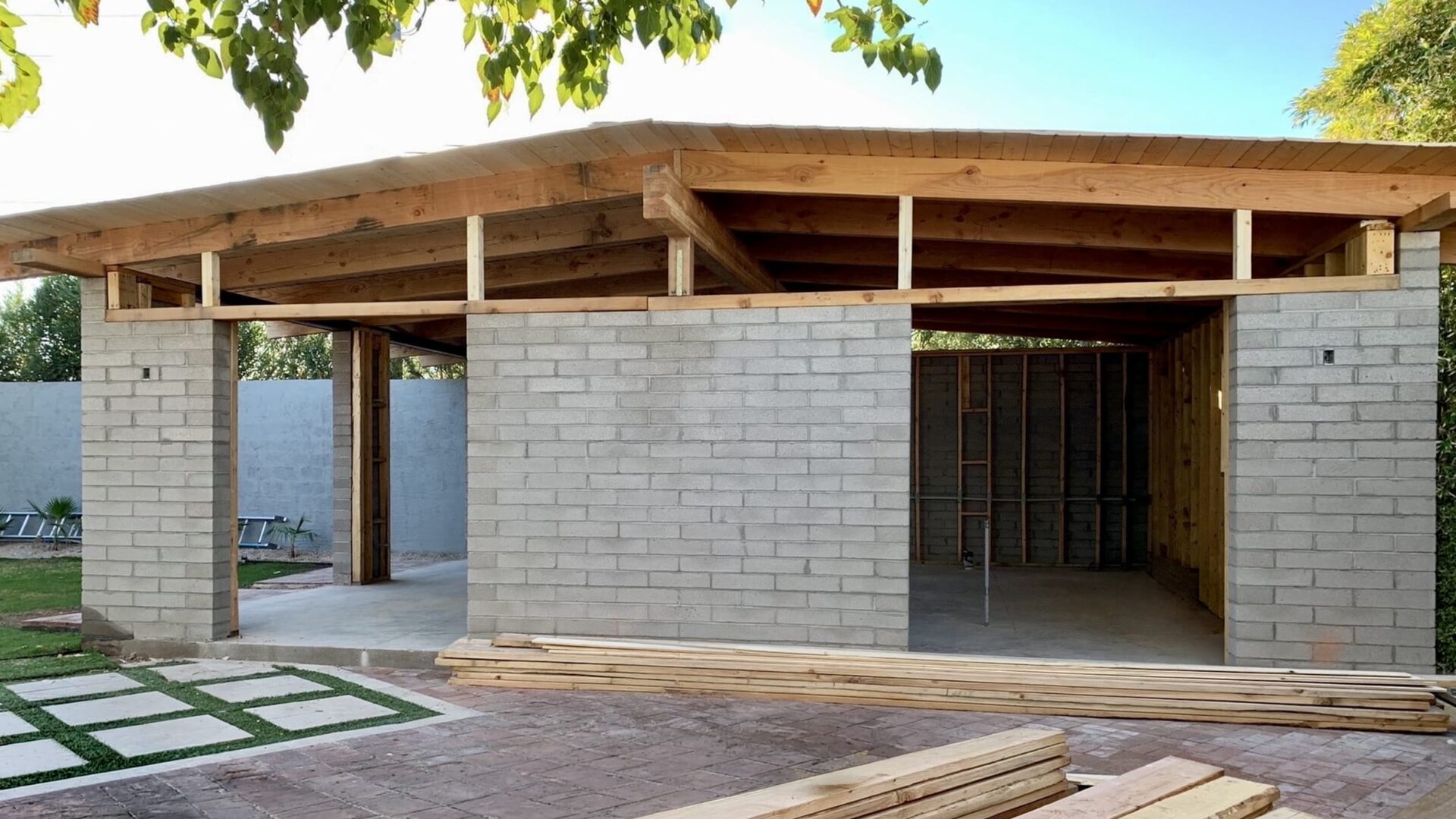
That sounds obvious, but it is one of the biggest issues in renovation. If the vision is unclear, the project becomes a series of field decisions. Those decisions may be practical, but they are not always design-driven.
Mid-century homes need consistency.
The cabinetry, tile, flooring, lighting, paint, exterior details, landscape, pool, shade, and hardscape should feel like they belong to the same idea. When those pieces are chosen separately, the project can start to feel patched together.
The right team matters, but so does the right leadership
A good contractor is important. So are good trades.
But even the best trades need direction. Electricians, plumbers, cabinet makers, framers, tile installers, painters, landscapers, and fabricators all make decisions that affect the final result. Those decisions need to support the design, not compete with it.
That is where project strategy becomes valuable.
Someone needs to protect the vision, understand the costs, question the numbers, review the options, and help the client make better decisions before mistakes become expensive.
The goal is not just a finished project
A finished project is not the same as a successful project.
A successful mid-century renovation feels resolved. The old and new work together. The materials make sense. The proportions feel right. The house lives better, but still feels like itself.
That does not happen by accident.
It happens through design discipline, cost awareness, clear planning, and respect for the architecture.
The bottom line
Before you build, get the strategy right.
A mid-century modern project needs more than enthusiasm and a contractor. It needs a clear point of view, a realistic budget, smart material decisions, and someone guiding the work with respect for the home.
That is how a renovation becomes more than construction.
That is how it becomes design.