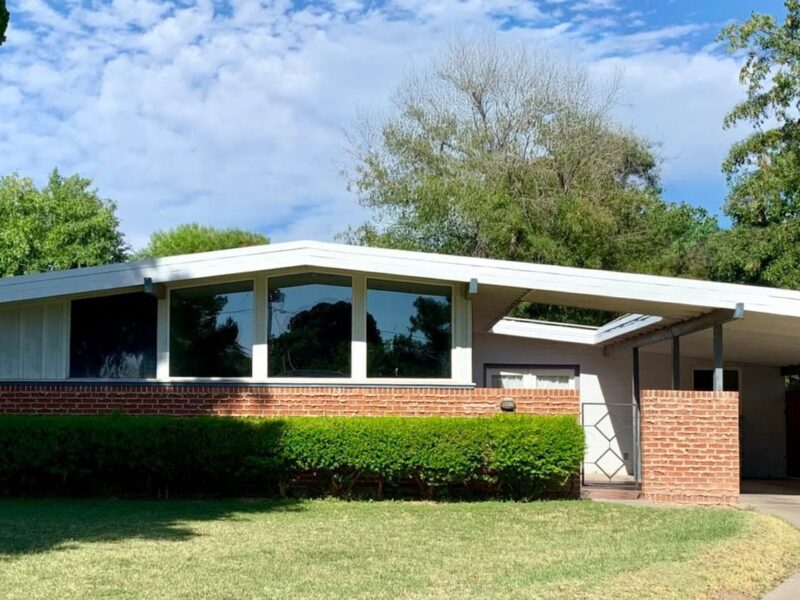
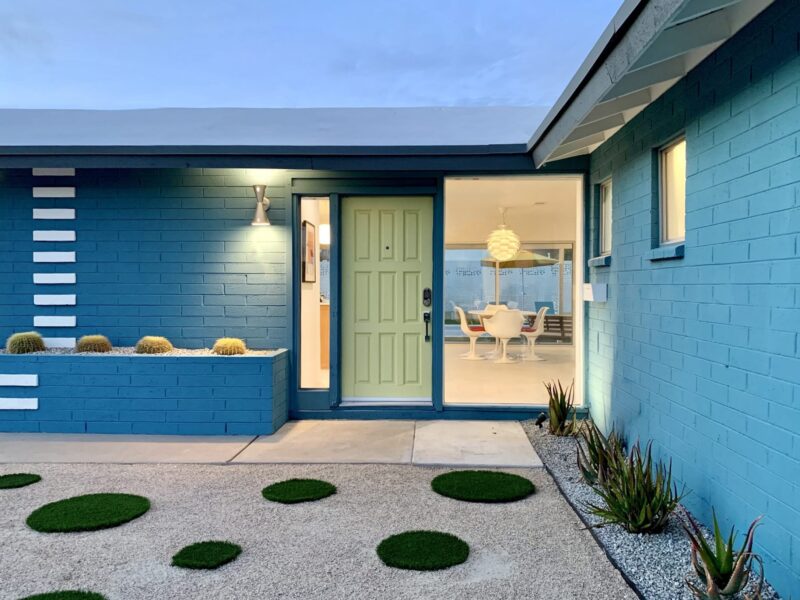
Buying or selling a mid-century modern home takes more than standard real estate experience.
These homes are different. The value is not only in the square footage, bedroom count, or recent comparable sales. It is in the architecture, the light, the roofline, the materials, the renovation choices, the lot orientation, and the way the home lives.
The right real estate agent understands that.
A mid-century modern home should not be treated like a generic property with a few vintage details. It needs someone who can recognize what matters, explain why it matters, and position the home correctly in the market.
Architecture changes the conversation
A good agent can run comps, write a contract, schedule showings, and manage a transaction.
That is the baseline.
For a mid-century modern home, the conversation has to go further. Is the home architecturally significant? Does it have original features worth preserving? Has it been remodeled thoughtfully, or has the character been flattened? Are the changes adding value, or taking it away?
Those questions matter for buyers and sellers.
For buyers, they can help avoid the wrong house. For sellers, they can help protect the value of a home that deserves a more thoughtful strategy.
Not every update adds value
Mid-century homes are easy to ruin with the wrong improvements.
A standard remodel can make a special house look ordinary. Oversized flooring, generic cabinets, heavy finishes, bad lighting, and trend-driven materials can erase the very qualities that made the home desirable in the first place.
The right agent should be able to tell the difference between an improvement and a mistake.
That judgment matters before you buy, before you sell, and before you spend money on a renovation.
Buyers need more than a search portal
Most buyers can find listings online. That is not the hard part.
The harder part is knowing which homes are worth pursuing, which ones have real architectural potential, and which ones will become expensive disappointments.
A strong mid-century modern real estate agent can help evaluate the home beyond the listing photos. Floor plan, orientation, structure, neighborhood, renovation potential, cost, resale value, and design integrity all matter.
The right home is not always the most polished home. Sometimes it is the one with the best bones.
Sellers need better positioning
Selling a mid-century modern home is not just about putting it on the market.
It needs to be photographed correctly, described correctly, and presented to the right audience. Buyers need to understand the design, the history, the renovation quality, and the lifestyle the home offers.
Generic marketing can make a distinctive home feel average.
Strong marketing gives the home context. It helps buyers understand why the architecture matters and why the home is worth paying attention to.
Local knowledge matters
Phoenix, Scottsdale, Paradise Valley, Tempe, and Arcadia each have their own mid-century story.
Some neighborhoods have Ralph Haver homes. Some have Al Beadle influence. Some have custom modern homes, ranch-modern hybrids, or one-off designs that require a more trained eye.
The bottom line
The right real estate agent does more than open doors and write contracts.
For a mid-century modern home, the right agent understands the architecture, the market, the buyer, and the decisions that protect long-term value. That perspective can change what you buy, how you sell, and what the home becomes next.