Mid-century modernism was built on optimism. After World War II, architecture, furniture, cars, advertising, and everyday design carried a belief that the future could be better, smarter, and more beautiful.
America entered a period of expansion, experimentation, and belief in the future. While the roots of modernism began earlier, the mid-century modern era is generally understood as the period from the mid-1940s through the early 1970s. It was a time when design was not treated as decoration. It was treated as progress.
That optimism showed up everywhere: architecture, furniture, cars, advertising, hospitality, restaurants, banks, gas stations, office buildings, and suburban homes. Designers and architects were working with new materials, new construction methods, and a new idea of how people could live.
The best work from that era still feels alive because it had intention.
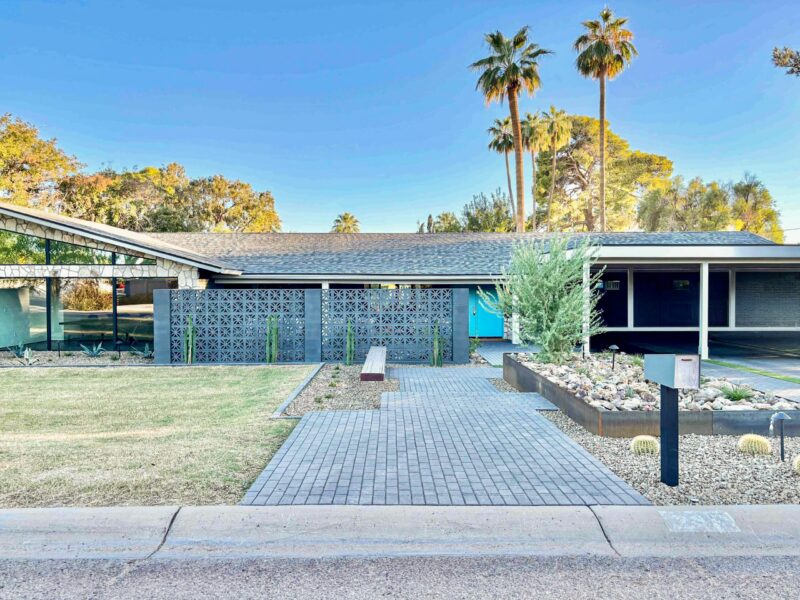
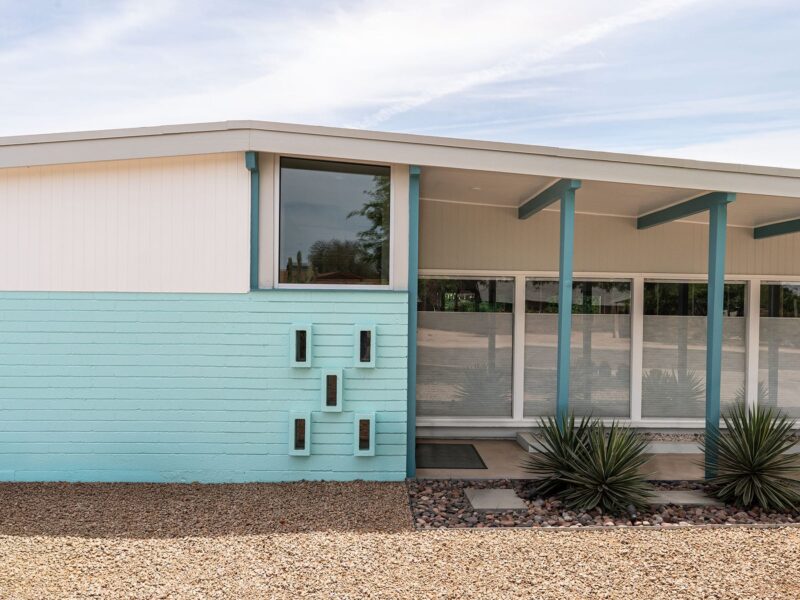
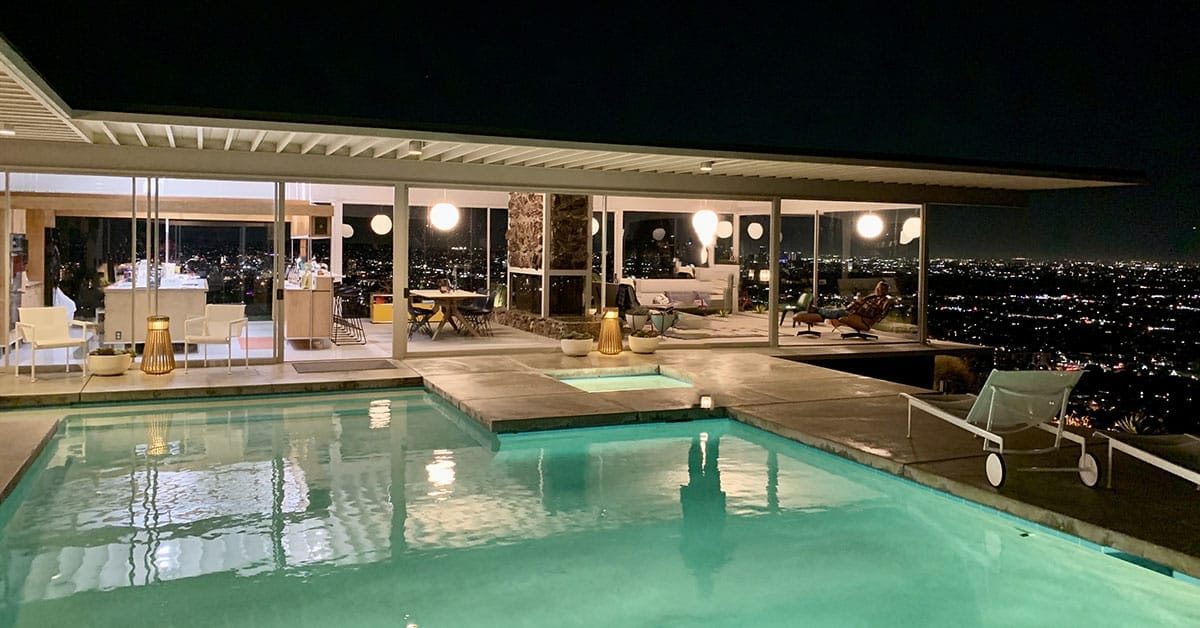
A Case Study house in the hills. A Googie coffee shop on the corner. An Eames lounge chair in a living room. A modest tract home with clerestory windows, breeze block, and a patio designed for indoor-outdoor living. These were not just style choices. They were evidence of a culture willing to imagine something better.
So the question is: what happened?
Too much of what gets built today feels forgettable before it is even finished. Houses, apartments, restaurants, and commercial buildings often arrive with no point of view, no proportion, no relationship to place, and no real design ambition. They are safe. They are efficient. They are easy to approve. And most of them will be forgotten almost immediately.
Good design does not always require a bigger budget. It requires care, standards, and better decisions.
A few years ago, I sat in a meeting with a large commercial architecture firm working on a major apartment project for a large real estate company. The project had the budget and the location to be something memorable. I suggested a stronger mid-century direction that would have connected better to the surrounding neighborhoods and given the project more identity. A few ideas were implemented, and the design improved, but it never came close to what it could have been.
That is the frustrating part. The opportunity was there.
This happens because too many people accept average. Developers accept it. Architects accept it. Buyers and renters accept it. Cities accept it. Eventually, when enough mediocre design gets built, mediocrity starts to look normal.
The mid-century era was different because even ordinary buildings often had ambition. A bank could be dramatic. A motel could be playful. A gas station could have a roofline worth remembering. A small house could have light, proportion, and personality.
Today, we are surrounded by too much design that asks nothing of us and gives almost nothing back.
The answer is not nostalgia. The goal is not to freeze everything in 1962 or turn every building into a replica of the past. The point is to carry forward the spirit of modernism: optimism, clarity, usefulness, beauty, and the belief that better design makes life better.
That starts with caring.
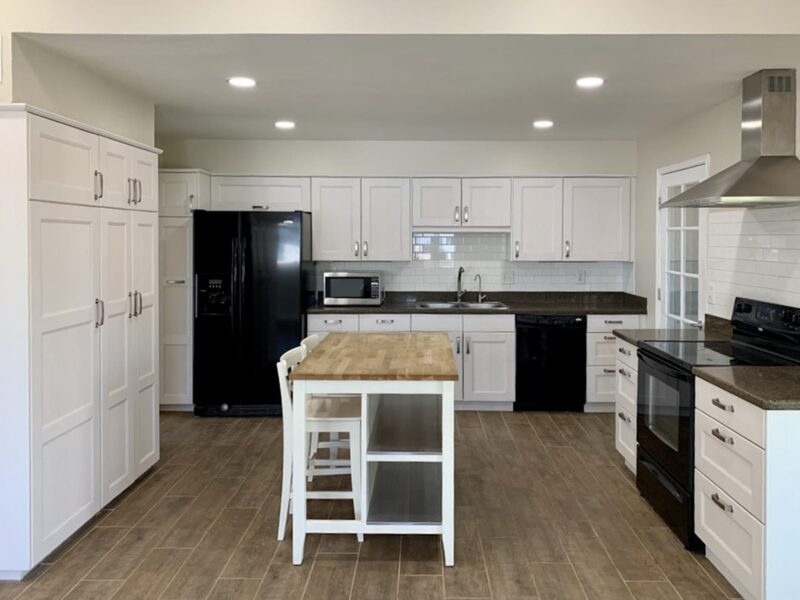
Learn what good design looks like. Talk about it. Demand more from the places you live, visit, build, buy, and renovate. Do not settle for the poorly designed house just because it is available. Do not accept the lazy remodel because it is new. Do not assume that better design is out of reach.
Mid-century modernism still matters because it reminds us that everyday life can be shaped with more intelligence, more beauty, and more intention.
That torch is still worth carrying.